
Nukuma Nogwi Yam-Harvest Figure, Circa 1800


Nukuma Nogwi Yam-Harvest Figure, Circa 1800
5079
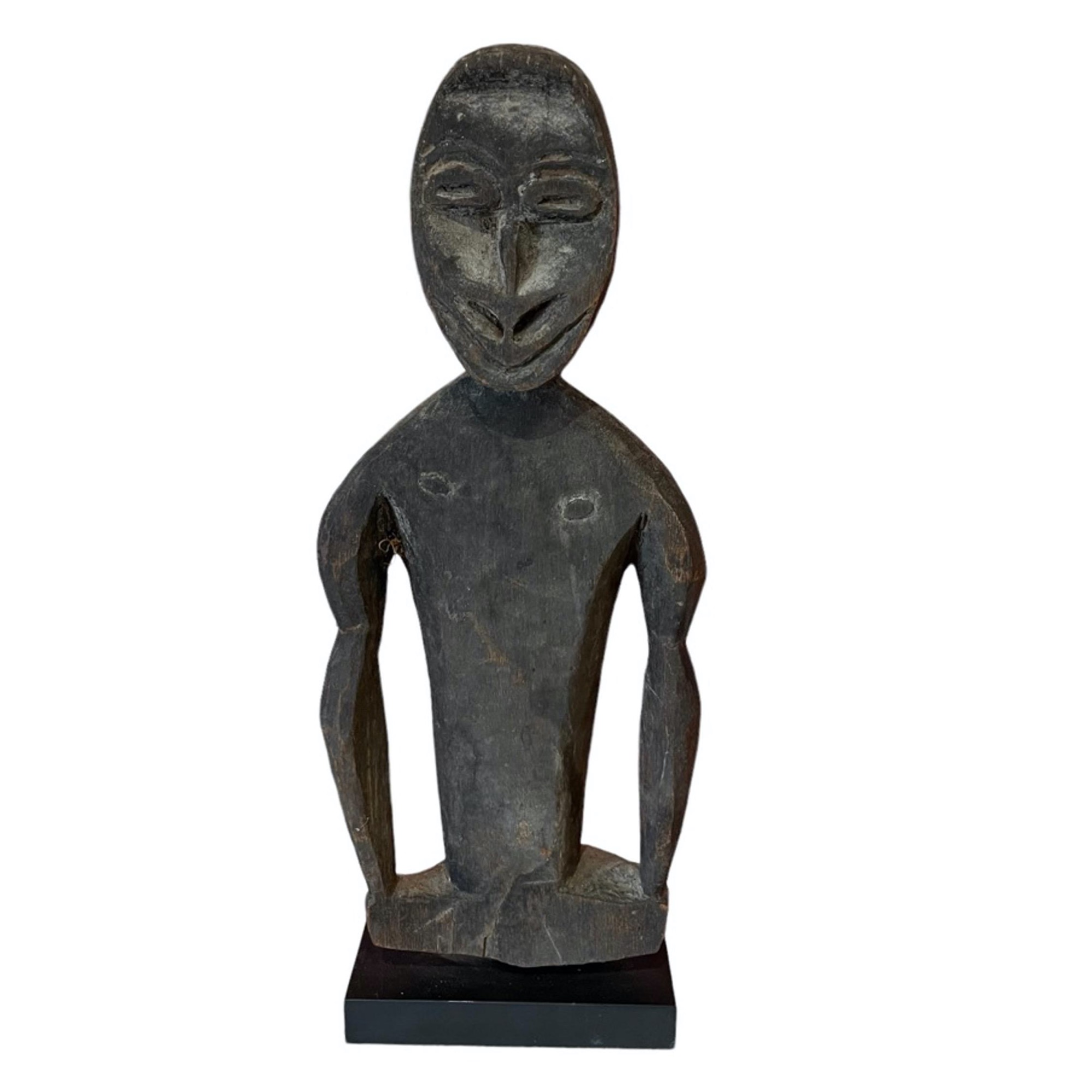
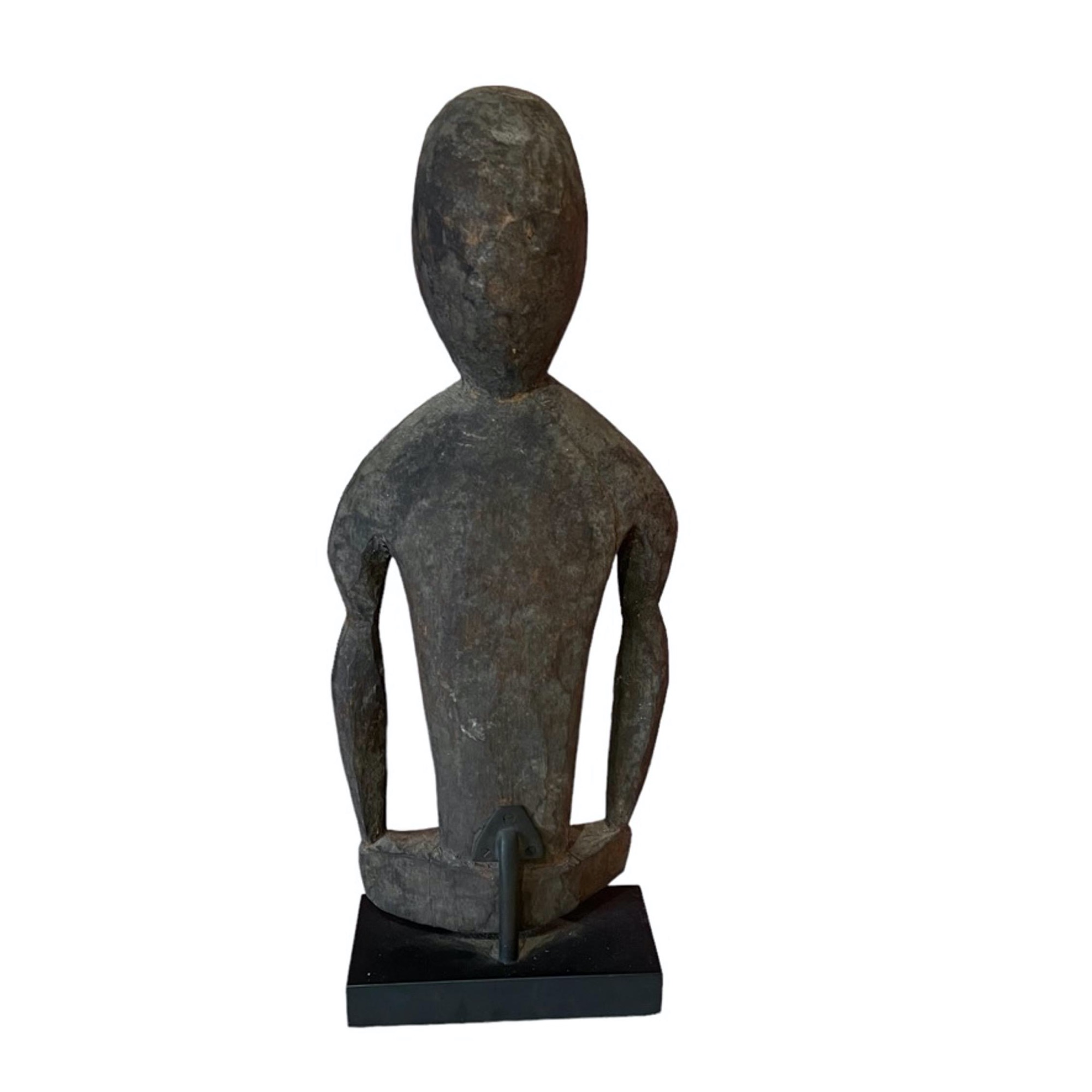
Early 19th-century carved wood Nogwi figure of the Nukuma people, from the Washkuk Hills region of the Middle Sepik, Papua New Guinea. Created for the final and most restricted ceremony of the annual yam-harvest cycle, this compelling work embodies the spiritual, agricultural, and social significance of yams within Nukuma ceremonial life.
For the Nukuma and neighbouring peoples of the Washkuk Hills, yams were far more than a staple food: they were understood as a powerful life-giving force whose successful cultivation depended upon the proper honouring of ancestral and spirit beings. Following the harvest, a sequence of three ceremonies was traditionally held-yena, mindja, and finally nogwi (also known as noukwi). The final ceremony was reserved for initiated senior men, and figures such as this were displayed in association with the ceremonial presentation of the yam crop.
Nogwi figures are generally understood to represent powerful female spirits connected with fertility, abundance, and the continued wellbeing of the community. Their expressive, stylised forms are not intended as naturalistic portraits, but as potent ceremonial presences. The carved features, strong proportions, and residual surface character give this figure a remarkable sense of authority and ritual purpose.
Now presented on a custom display base, this is a beautiful and highly evocative example of Oceanic art. It would make a distinguished addition to a collection of Papua New Guinea sculpture, Sepik art, ceremonial objects, or tribal works with strong sculptural presence.
Nukuma people, Washkuk Hills, Middle Sepik region, Papua New Guinea; carved wood. Sold with display base. Please refer to the photographs for condition, dimensions, and surface detail.
Originally acquired by Lieutenant-Colonel Sydney C. Lockyer-Nibbs during his service across the British Empire in the early to mid-20th century. Over this period, he assembled a notable collection of tribal art and ethnographic objects from Africa and the Far East.
Dimensions:
RELATED ITEMS





. The final ceremony was reserved for initiated senior men, and figures such as this were displayed in association with the ceremonial presentation of the yam crop.Nogwi figures are generally understood to represent powerful female spirits connected with fertility, abundance, and the continued wellbeing of the community. Their expressive, stylised forms are not intended as naturalistic portraits, but as potent ceremonial presences. The carved features, strong proportions, and residual surface character give this figure a remarkable sense of authority and ritual purpose.Now presented on a custom display base, this is a beautiful and highly evocative example of Oceanic art. It would make a distinguished addition to a collection of Papua New Guinea sculpture, Sepik art, ceremonial objects, or tribal works with strong sculptural presence.Nukuma people, Washkuk Hills, Middle Sepik region, Papua New Guinea; carved wood. Sold with display base. Please refer to the photographs for condition, dimensions, and surface detail.Originally acquired by Lieutenant-Colonel Sydney C. Lockyer-Nibbs during his service across the British Empire in the early to mid-20th century. Over this period, he assembled a notable collection of tribal art and ethnographic objects from Africa and the Far East.)